
.png)


What are Warts?

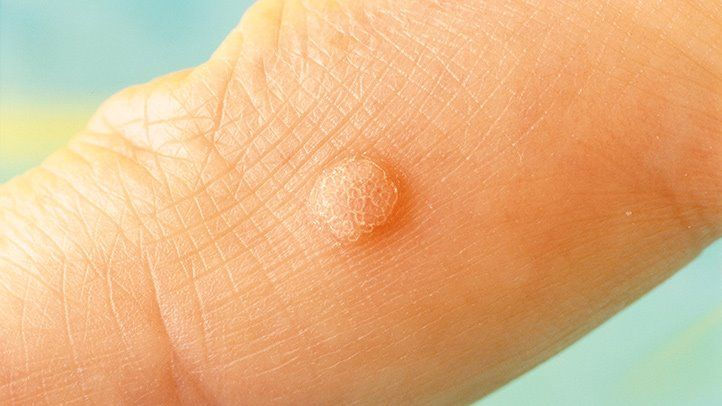
Warts are raised bumps on your skin caused by the human papillomavirus (HPV). Warts have plagued humans for thousands of years — they have been discovered on 3,000-year-old mummies and were mentioned by Shakespeare. Although warts generally aren’t dangerous, they are ugly, potentially embarrassing, and contagious. They can also be painful.

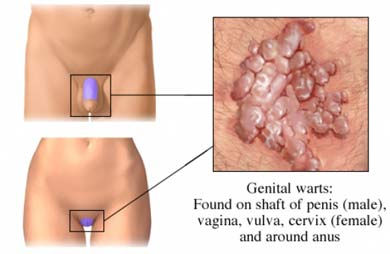
Important information about genital warts
There are more than 100 types of HPV, the virus that causes warts. Almost all types of HPV cause relatively harmless warts that appear on your hands or feet. However, there are a few strains of HPV that cause warts on, in, and around your genitals. In women, these warts — called “genital warts” — can eventually lead to cervical cancer, a potentially fatal disease.If you think you have genital warts or think you have been exposed to them, you should see a doctor right away.
What are the types of warts?
There are five major types of warts. Each type appears on a different part of the body and has a distinct appearance.
Common warts
Common warts usually grow on your fingers and toes, but can appear elsewhere. They have a rough, grainy appearance and a rounded top. Common warts are grayer than the surrounding skin.
Plantar warts
Plantar warts grow on the soles of the feet. Unlike other warts, plantar warts grow into your skin, not out of it. You can tell if you have a plantar wart if you notice what appears to be a small hole in the bottom of your foot that is surrounded by hardened skin. Plantar warts can make walking uncomfortable.
Flat warts
Flat warts usually grow on the face, thighs, or arms. They are small and not immediately noticeable. Flat warts have a flat top, as if they’ve been scraped. They can be pink, brownish, or slightly yellow.
Filiform warts
Filiform warts grow around your mouth or nose and sometimes on your neck or under your chin. They are small and shaped like a tiny flap or tag of skin. Filiform warts are the same color as your skin.
Periungual warts
Periungual warts grow under and around the toenails and fingernails. They can be painful and affect nail growth.

When should I see a doctor?
You should see your doctor if:
you have warts on your face or another sensitive part of your body (e.g., genitals, mouth, nostrils)
you notice bleeding or signs of infection, such as pus or scabbing, around a wart
the wart is painful
the color of the wart changes
you have warts and diabetes or an immune deficiency, such as HIV/AIDS
Can I treat warts at home?
Although warts usually go away on their own, they are ugly and uncomfortable, so you may want to try treating them at home. Many warts respond well to treatments available at the drugstore.
Some things to remember:
You can spread warts to other parts of your body, and they are contagious to others. If a treatment requires that you rub the wart with a fingernail file or a pumice stone, don’t use that utensil on any other part of your body, and don’t allow anyone else to use it.
Don’t try to treat warts on your feet if you have diabetes. See your doctor. Diabetes can cause loss of sensation in your feet, so you can easily injure yourself without realizing it.
Don’t try to remove warts on your face or another sensitive part of your body (such as your genitals, mouth, or nostrils) with at-home treatments.
Watch The Full Video To Know More About Warts
Subscribe To Our Youtube Channel, Follow Us On Twitter, LinkedIn And Instagram And Like us On Facebook. Stay Safe Stay Healthy
#drsiddharthroyhomeopathy#warts#skincare#wartsremoval#acne#skin#facial#laser#lasersurgery#diabetes#beauty#hsv#medicine#india#fungal#fistula#fissure#piles#cancer#covid#podiatry#skintags#feet#bleedingafterstool#pusdischarge#itching#burningafterstool#paininanus#swellinginguinalregion#gujrat#guthealthmatters#dettol#lovepagolin#adidas
टिप्पणियां