
.png)


Breast Cancer
What Is Breast Cancer?
Breast cancer is cancer that forms in the cells of the breasts.
After skin cancer, breast cancer is the most common cancer diagnosed in women in the All over world. Breast cancer can occur in both men and women, but it's far more common in women.
Substantial support for breast cancer awareness and research funding has helped created advances in the diagnosis and treatment of breast cancer. Breast cancer survival rates have increased, and the number of deaths associated with this disease is steadily declining, largely due to factors such as earlier detection, a new personalized approach to treatment and a better understanding of the disease.

Symptoms
Signs and symptoms of breast cancer may include:
A breast lump or thickening that feels different from the surrounding tissue
Change in the size, shape or appearance of a breast
Changes to the skin over the breast, such as dimpling
A newly inverted nipple
Peeling, scaling, crusting or flaking of the pigmented area of skin surrounding the nipple (areola) or breast skin
Redness or pitting of the skin over your breast, like the skin of an orange

Causes
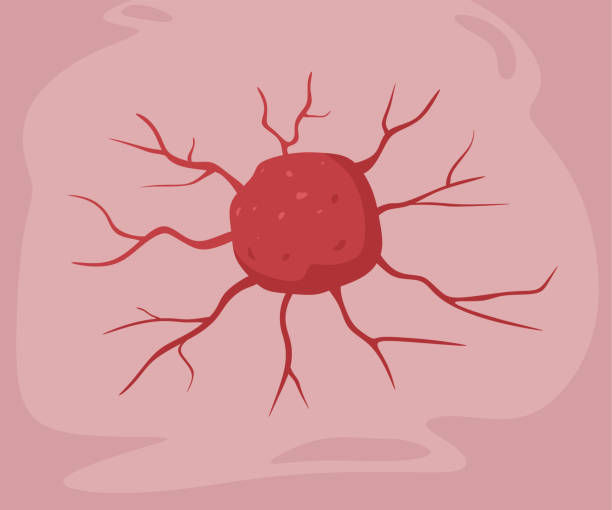
Doctors know that breast cancer occurs when some breast cells begin to grow abnormally. These cells divide more rapidly than healthy cells do and continue to accumulate, forming a lump or mass. Cells may spread (metastasize) through your breast to your lymph nodes or to other parts of your body.
Breast cancer most often begins with cells in the milk-producing ducts (invasive ductal carcinoma). Breast cancer may also begin in the glandular tissue called lobules (invasive lobular carcinoma) or in other cells or tissue within the breast.
Researchers have identified hormonal, lifestyle and environmental factors that may increase your risk of breast cancer. But it's not clear why some people who have no risk factors develop cancer, yet other people with risk factors never do. It's likely that breast cancer is caused by a complex interaction of your genetic makeup and your environment.

Inherited breast cancer
Doctors estimate that about 5 to 10 percent of breast cancers are linked to gene mutations passed through generations of a family.
A number of inherited mutated genes that can increase the likelihood of breast cancer have been identified. The most well-known are breast cancer gene 1 (BRCA1) and breast cancer gene 2 (BRCA2), both of which significantly increase the risk of both breast and ovarian cancer.
If you have a strong family history of breast cancer or other cancers, your doctor may recommend a blood test to help identify specific mutations in BRCA or other genes that are being passed through your family.
Consider asking your doctor for a referral to a genetic counselor, who can review your family health history. A genetic counselor can also discuss the benefits, risks and limitations of genetic testing to assist you with shared decision-making.

Risk factors
A breast cancer risk factor is anything that makes it more likely you'll get breast cancer. But having one or even several breast cancer risk factors doesn't necessarily mean you'll develop breast cancer. Many women who develop breast cancer have no known risk factors other than simply being women.
Factors that are associated with an increased risk of breast cancer include:
Being female.
Increasing age.
A personal history of breast conditions.
A personal history of breast cancer.
A family history of breast cancer.
Inherited genes that increase cancer risk.
Radiation exposure.
Obesity.
Beginning your period at a younger age.
Beginning menopause at an older age.
Having your first child at an older age.
Having never been pregnant.
Drinking alcohol.
Prevention
Breast cancer risk reduction for women with an average risk
Making changes in your daily life may help reduce your risk of breast cancer. Try to:
Ask your doctor about breast cancer screening. Discuss with your doctor when to begin breast cancer screening exams and tests, such as clinical breast exams and mammograms. Talk to your doctor about the benefits and risks of screening.
Become familiar with your breasts through breast self-exam for breast awareness. Women may choose to become familiar with their breasts by occasionally inspecting their breasts during a breast self-exam for breast awareness. If there is a new change, lumps or other unusual signs in your breasts, talk to your doctor promptly.
Drink alcohol in moderation, if at all. Limit the amount of alcohol you drink to no more than one drink a day, if you choose to drink.
Exercise most days of the week. Aim for at least 30 minutes of exercise on most days of the week.
Limit postmenopausal hormone therapy. Combination hormone therapy may increase the risk of breast cancer.
Maintain a healthy weight. If your weight is healthy, work to maintain that weight. If you need to lose weight, ask your doctor about healthy strategies to accomplish this.
Choose a healthy diet. Women who eat a Mediterranean diet supplemented with extra-virgin olive oil and mixed nuts may have a reduced risk of breast cancer. The Mediterranean diet focuses mostly on plant-based foods, such as fruits and vegetables, whole grains, legumes, and nuts.
Watch The Full Video To Know More About Breast cancer
Subscribe To Our Youtube Channel, Follow Us On Twitter, LinkedIn And Instagram And Like us On Facebook. Stay Safe Stay Healthy
#drsiddharthroyhomeopathy#covid19#coronavirus#covid#socialdistancing#wearamask#womenempowerment#stayhome#staysafe#india#news#doctor#healthcare#breastcancer#breastcancerawareness#cancer#breastcancersurvivor#cancersucks#cancersurvivor#pinkribbon#her#breastcancerfighter#breastcancersupport#pink#cancerwarrior#covid#womenshealth


Comments